Influencer marketing and affiliate strategies are a pretty natural match, but sometimes figuring out how to combine the two can feel complicated. If you’ve ever watched your favorite creators review a product and share an affiliate link, you’re seeing this combination at work. By teaming up with influencers, you get the benefit of authentic recommendations and access to dedicated audiences. Plus, all of this while giving your affiliate sales a serious boost.
Understanding Influencer Marketing for Affiliates
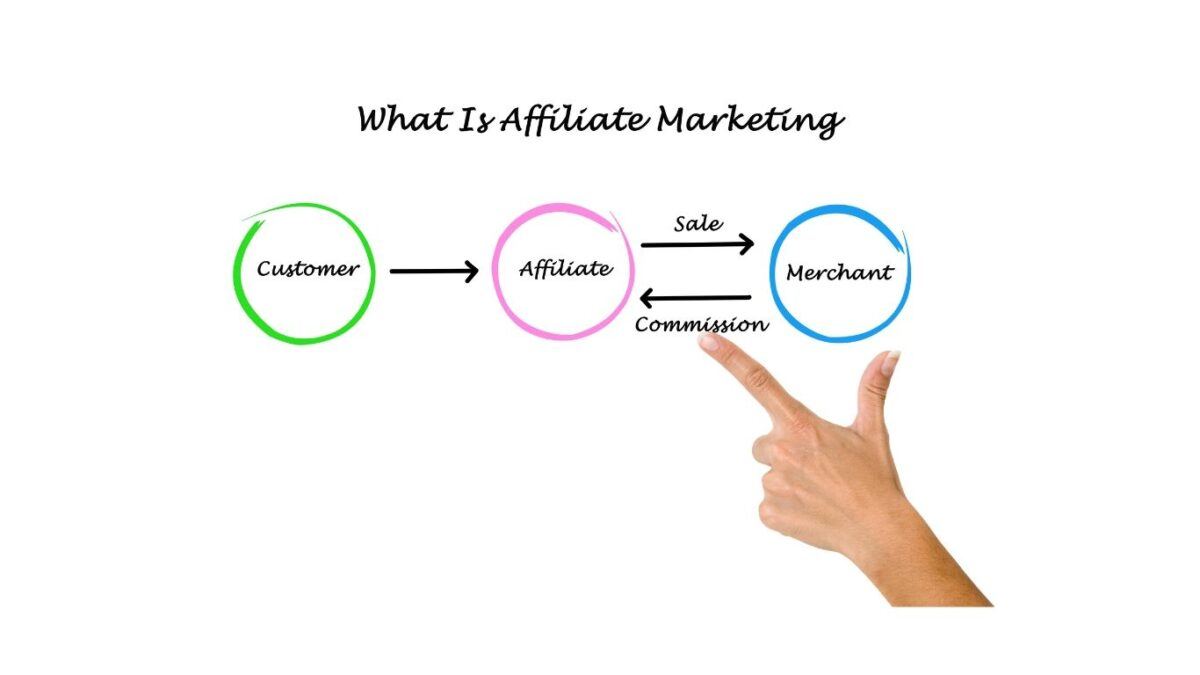
Influencer marketing is about partnering with creators who’ve built trust and a following in your niche. Rather than pushing products directly, these creators share their own experiences, which usually feels more genuine to the audience. When you add an affiliate twist—meaning, the influencer uses trackable links or codes to earn a commission—you get a win-win setup for everyone involved.
Using influencer marketing in your affiliate strategy means making influencers your main channel for spreading affiliate offers. Rather than simply placing links on your website, you rely on creators to share their links with their audience, often cleverly woven into personal stories, tutorials, or honest reviews.
For example, I’ve teamed up with fitness microinfluencers who use Instagram stories and YouTube vlogs to review and demo activewear. Every mention includes an affiliate link, so they earn every time someone buys through their recommendation. This approach is super handy. Not only does it drive sales, but it also builds trust with viewers who love those authentic recommendations.

Why Influencer Marketing Works So Well with Affiliate Strategy
People trust recommendations from people they know (or feel like they know). According to a Nielsen study, folks are about 92% more likely to trust a recommendation from another person—even if they don’t know them personally—over a brand.
Influencers have already built the credibility that makes people want to listen and try new products. When tied to affiliate links, their enthusiastic reviews feel less like ads and more like a friend sharing a tip. Here are a few reasons why this connection works so well:
- Authenticity: Influencers tell the story in their own style, which usually feels more trustworthy than a company pitch.
- Engaged Audiences: Influencers have followers who actively seek their advice; this means more eyes, and clicks, on your affiliate offers.
- Targeted Reach: You can team up with influencers whose audiences match your target customer, cutting down the guesswork in finding the right people.
I’ve watched beauty brands get tons of sales just from a handful of makeup creators sharing tutorials, and tech gadgets fly off the shelves after a YouTuber gives a glowing review along with an affiliate code. The key is about picking the right influencer and sharing the right products to make things work smoothly.
How to Identify the Right Influencers for Your Affiliate Strategy
Choosing the right influencers for affiliate collaborations can make or break your campaign. I’ve chased big follower counts before, only to find out their followers weren’t interested in what I had to offer. Here’s what I focus on now to avoid that kind of mismatch:
- Relevance: The influencer should cater to your specific niche or industry. A tech vlogger fits gadgets, but not skincare.
- Engagement Rate: Look at likes, comments, and shares, not just follower numbers. Micro and nanoinfluencers (under 100k followers) often have more active, loyal audiences.
- Content Style: Every influencer has a vibe—some are high-energy, others more laid back or educational. Does their style mesh with your brand’s image?
- Past Partnerships: If they’ve promoted affiliate offers before, check out how those campaigns turned out. Brands may share affiliate stats, and you can sometimes get data from the influencer’s media kit.
Tools like Upfluence, Aspire, and even manual searching through hashtags on Instagram or TikTok help you track down the right creators. Careful research helps buyers make smart decisions when it comes to partnering with influencers. Checking recent content and looking at real engagement patterns are important steps.
Tips for Building an Effective Influencer Affiliate Strategy
A successful influencer affiliate setup blends honest recommendations with a smooth experience for both creators and their audiences. Here are some practical ideas I’ve learned from running affiliate campaigns:
- Set Clear Goals: Decide what you want—more clicks, sales, leads, or just brand exposure. Your goals shape how you structure deals with influencers.
- Create AffiliateFriendly Content: Give influencers affiliate links, promo codes, swipe-up assets, or story ideas, and directions, but let them do their thing. Authenticity matters most.
- Offer Competitive Commissions: Influencers prioritize campaigns that reward them well. Check industry rates to stand out and make your program attractive.
- Track Everything: Use unique affiliate links or codes for each influencer. Platforms like ShareASale, Impact, or custom UTM links in Google Analytics make this a breeze.
- Build LongTerm Relationships: Partnering with influencers over several campaigns always beats one-off posts. Loyalty and trust build true momentum.
- Stay Compliant: Make sure everyone clearly discloses affiliate relationships and sponsored content. The FTC is all about transparency, and audiences appreciate honesty too.
A good example: I worked with a pet brand that offered influencers an exclusive discount code and a nice commission. The influencers shared genuine stories about their pets, used the product in regular posts, and tracked everything through affiliate dashboards. This type of setup was simple for everyone and brought a steady stream of sales.
– Turn your own Hobby/Niche website into revenue.
– Monetize content based on your interests and goals.
– Also monetize Social Media and YouTube.
– Step by step training, tools and support. Everything you need for success.
– Your own AI powered website.
– Try it FREE to see if the program is right for you. No credit card needed.
Maximizing Your Results (And Troubleshooting Common Issues)
Even the right plan faces some bumps. Maybe an influencer’s content doesn’t convert as expected, or their audience just isn’t interested in a product. Here’s what helps keep things on course:
- Test Multiple Partnerships: Don’t put all your eggs in one basket. Try out a mix of micro and macroinfluencers to see who brings the best results.
- Experiment with Incentives: Special promo codes, bonuses for top affiliates, or special bundles can motivate both influencers and their audiences to get involved quickly.
- Gather Feedback: Keep in touch with influencers to figure out what types of content work best for their audience. Adapt your game plan based on real feedback and data.
- Monitor Results Closely: Regularly check your affiliate dashboards to spot high performers and areas that could use some changes.
Tracking Success With Data
Affiliate dashboards and influencer management platforms make tracking sales, clicks, and ROI super easy. Most affiliate networks give you stats like click-through rates, sales, and even which pieces of content work the best. Go over these numbers together with your influencers to tweak your next moves.
Staying Up to Date On Trends
Trends in influencer marketing can switch up quickly—think of the recent surge in short videos on TikTok or cool “shop the look” features on Instagram. Staying on top of these helps you pitch fresh content ideas. I like keeping a close eye on creator forums, brand newsletters, and social marketing blogs for inspiration and updates.
Real-World Examples of Influencer Affiliate Partnerships
I’ve seen winning collaborations across several niches. Here are a few quick examples so you can picture how this all mixes together:
- Fitness Gear: Influencers show at-home workout routines on YouTube, review equipment, and share affiliate links for viewers to grab the same gear with a discount.
- Beauty & Skincare: Creators regularly demo new products in their stories or tutorials, post personalized codes for their followers, and clearly disclose affiliate relationships.
- Tech & Gadgets: Tech influencers often make unboxing videos or list comparisons, making it simple for viewers to shop directly through affiliate links in the description.
Each campaign I’ve worked on keeps honesty and the audience’s experience at the center. In the long run, this approach drives the strongest results.
Frequently Asked Questions
Here are some common questions that pop up when combining influencer marketing with affiliate strategies:
Question: How do affiliate payments typically work for influencers?
Answer: Affiliates usually get paid a commission for each sale made through their unique link or code. Payment terms depend on the affiliate program; some pay monthly, others once a threshold is hit.
Question: What’s the difference between sponsored posts and affiliate marketing?
Answer: Sponsored posts pay influencers upfront for showcasing a product. Affiliate marketing pays commissions on sales driven by their content. Occasionally, a campaign might offer both options.
Question: How do I find reliable influencers for my affiliate offers?
Answer: Look for influencers who get strong engagement and whose audience fits your niche. Use influencer platforms, browse hashtags, or reach out directly after looking over their content.
Question: Can influencers use multiple affiliate programs at once?
Answer: Absolutely, many influencers partner with several affiliate programs, as long as they follow any exclusivity rules or specific platform guidelines.
Question: How can I track sales from different influencers?
Answer: Assign each influencer a unique link or code. Most affiliate networks make it simple to see which sales come from which creator using their tracking features.
Question: Are there legal requirements for disclosing affiliate relationships?
Answer: Yes, both the FTC and most platforms require clear disclosure when sharing affiliate links or sponsored content. This builds trust and keeps everyone above board.
If you want to give your affiliate efforts a real boost and form genuine bonds with audiences, pairing up influencers and affiliate marketing is one of the best ways to do it. Keep things honest, be willing to experiment, and focus on creating real value for everyone involved. That’s how you step up your results and create real momentum.
Here’s a little transparency: Our website contains affiliate links. If you click and make a purchase, we may receive a small commission. Don’t worry, there’s no extra cost to you.